Learn about the Key Services Provided by a Professional Arborist for Maintaining Healthy Trees
A professional arborist delivers a variety of services crucial for keeping trees healthy and improving landscapes. Their expertise in tree pruning encourages growth and minimizes threats. They also diagnose and manage tree diseases, guaranteeing customized treatment plans are implemented - Florence Arborist. Additionally, arborists perform safe tree extractions and help with planting and transplanting. Their role is especially important during emergencies such as storm damage. Being aware of these services can significantly affect one’s approach to tree care
The Importance of Tree Pruning
Although many homeowners often neglect the importance of tree pruning, it is crucial in upholding the vitality and aesthetics of trees. Correct pruning assists trees in building a robust structure, removing dead or diseased branches that could present dangers. By carefully cutting branches, the tree can concentrate its resources on healthy growth, encouraging improved air flow and sunlight penetration. Additionally, pruning can enhance the overall appearance of the tree, forming it for visual beauty in residential landscapes.
Moreover, regular pruning can prevent potential hazards, such as limbs falling during storms or high winds, which could cause property destruction or cause personal injury. It also assists in avoiding of insect problems and diseases by improving the tree's resilience. Ultimately, hiring professional arborists for tree pruning makes sure trees are kept healthy, safe, and visually pleasing, adding significantly to the overall beauty and value of the property.
Identifying and Treating Tree Diseases
Tree health can be greatly compromised by a range of diseases that may not always be immediately evident. A professional arborist plays an essential role in diagnosing these conditions early, utilizing a combination of visual inspections and assessment instruments. Symptoms such as discolored leaves, wilting, or unusual growth patterns often signal underlying health issues. Arborists assess these symptoms to pinpoint particular diseases, whether fungal, bacterial, or viral in nature.
Once diagnosed, the professional designs a specific treatment strategy. Such a strategy might incorporate focused interventions, such as chemical controls, and cultural practices that improve the tree's strength. Moreover, proper watering, mulching, and feeding can significantly boost the vitality of the tree and resistance to diseases. Routine check-ups and further interventions are necessary for effective management, guaranteeing the lifespan and vitality of the trees. By taking a proactive approach to tree diseases, tree specialists ensure the ecological advantages and visual appeal of thriving trees.
Secure Methods for Tree Extraction
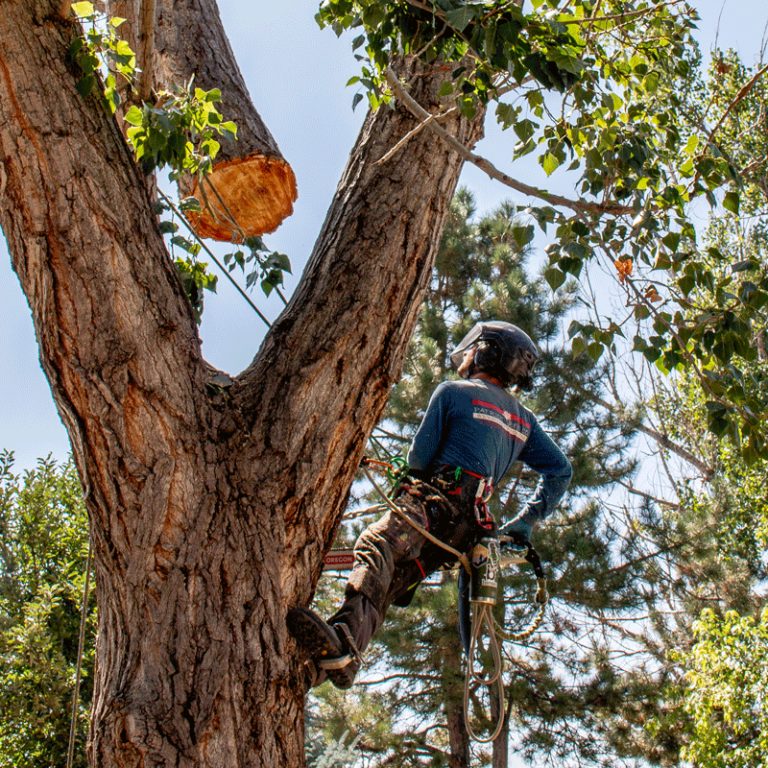
Safe tree extraction techniques are essential for guaranteeing the safety of the crew and limiting harm to adjacent areas. Qualified professionals utilize a thorough assessment of the tree's condition, its location, and the immediate vicinity before proceeding with removal. Professionals employ dedicated machinery, such as chainsaws and rigging gear, to make clean incisions and control during the felling process.
A well-planned removal strategy includes identifying potential hazards, such as power lines or nearby structures, which can affect the security of the job. Arborists often use a technique called "sectional dismantling," where the tree is cut down in manageable pieces, reducing the risk of falling debris.
Moreover, arborists adhere to local rules and standards to ensure adherence and environmental stewardship. After the removal, proper cleanup and disposal of the remaining wood and brush, including stump grinding, contribute to the overall safety and look of the landscape.
Guidelines for Tree Installation
The process of tree establishment demands close attention of site selection and planting techniques to guarantee long-term health and successful establishment. Choosing the correct site significantly influences a tree's development, and correct installation techniques minimize stress and aid in successful rooting. Tree specialists highlight these elements as essential for enhancing the vigor and longevity of trees in any landscape.
Choosing the Right Location
Selecting an appropriate site for relocating or establishing trees is essential for their future development and vitality. Factors such as soil quality, the amount of sun, and water flow needs careful consideration. Tree care professionals assess the site's characteristics, ensuring that the planting location has enough food sources and support for the tree species. Furthermore, the closeness to current buildings and neighboring vegetation is essential to stop the fight for nutrients and avoid practical tips potential damage. Tree specialists also factor in the tree’s mature size and underground network, making sure there is ample room to expand. Through a comprehensive site evaluation, these experts help clients make informed decisions that encourage strong, successful trees, thereby improving the landscape’s beauty and environmental worth.
Optimal Planting Methods
After the location is thoroughly evaluated and chosen, the next step involves employing ideal planting techniques for trees. Proper preparation of the planting hole is vital; it should be twice the width of the root ball and no deeper than the root system itself. The plant must be positioned in the opening so that the crown of the root mass is even with the surrounding soil. Fill the hole with local earth, making sure to eliminate air gaps, and water thoroughly to promote initial root establishment. Mulching around the base assists in keeping water in and inhibit unwanted growth. Florence Arborist. If moving mature plants, care must be taken to reduce root trauma and move the tree while it is inactive for the highest rate of success. Implementing these practices encourages strong vitality and extended health
Handling Tree Emergencies After Storms

When severe storms strike, the resultant conditions may leave trees in hazardous situations, endangering structures and security. Trained arborists are essential in immediate action, assessing trees harmed by the storm to determine their stability and health. Their expertise allows them to identify which plants can be saved and which are serious, instant risks that must be removed.
Armed with the right gear, they can carefully cut damaged boughs and haul away refuse, preventing subsequent injury to adjacent property. Arborists also offer helpful guidance on precautionary steps, such as picking durable tree varieties for subsequent landscaping.
In addition to immediate response, professionals guide property owners through the future impacts resulting from the weather, providing advice for restoration and healing. By acting swiftly and efficiently, these experts do more than just secure homes but also aid in the recovery of the local environment once the tempest has passed.
Nutritional Support and Ground Care
In the wake of storm damage, attention turns to the well-being of the trees that remain, emphasizing the necessity of nutritional support and soil management. A professional arborist checks soil conditions and tree vitality to ascertain exact dietary needs. Trees must have key nourishment, such as nitrogen, phosphorus, and potassium, to heal and grow strong post-stress incidents.
Soil management is crucial for nutrient availability and the growth of roots. Tree specialists often suggest soil amendments, like organic matter, to boost the ground's composition and microbe function. The correct pH balance are also checked, as they impact nutrient uptake.
Applying mulch can help the soil hold water and keep weeds down, fostering a perfect setting for the tree's recuperation. By developing a thorough nutritional plan and applying successful ground care techniques, arborists ensure trees regain strength, resilience, and overall health, a factor essential to maintaining a balanced ecosystem after ecological disruptions.
Common Queries
How Often Should I Have My Trees Inspected?
Trees should be checked annually for maximum vitality. Nevertheless, more regular inspections could be needed for younger trees, following harsh storms, or if they show signs of stress or sickness.
What Qualifications Should I Look for in an Arborist?
When seeking an arborist, one should prioritize certifications such as ISA (the ISA) accreditation, relevant experience, proper liability insurance, and a strong reputation within the community, guaranteeing skill in tree care and safety practices.
What Specialized Gear Do Arborists Need for Tree Care?
Arborists employ various specialized tools for tree care, including chainsaws, pruning shears, climbing gear, and stump grinders. Each tool serves a specific purpose, facilitating good care, pruning, and removal of trees and boosting total well-being and safety.
How Do Weather Conditions Affect Tree Health?
The climate significantly affects tree health; heavy rainfall may result in root rot, while dry spells put strain on trees. Very high or low temperatures can lead to the destruction of leaves and branches, consequently impacting development, resilience, and total vitality of the trees.
Should I handle my own tree maintenance, or Should I use a professional service?
Although certain simple tree maintenance jobs can be performed by individuals, it is usually recommended to hire an expert - Florence Arborist. Trained individuals carry specialized equipment and knowledge, ensuring that trees receive the proper care necessary for optimal development and health